Ingredient deep dive
GlucoZen licorice: what monoammonium glycyrrhizinate is
GlucoZen licorice hides behind a chemical name. The blend lists Monoammonium Glycyrrhizinate, a salt of glycyrrhizin from licorice root, in 18th place of 22. That caps it near 11 mg per serving, about 22 mg a day. It is most likely there for sweetness. People with blood pressure, heart or kidney problems should ask first.
Written by the GlucoZen editorial teamMedically reviewed by Dr. Rocio Harbison, MD, PhysicianReview date: Updated · 7 min read
Look 1
Where is the GlucoZen licorice on the label?
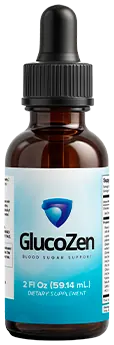
You will not find the word licorice on the bottle. The ingredient is printed by its chemical name, Monoammonium Glycyrrhizinate. It sits in 18th place in the 200 mg Proprietary Herbal Blend, after beta-alanine and before GABA.
That is why many buyers miss it. A long chemical name hides a plain fact. This is a licorice-derived compound, and it comes from the same family of molecules that give licorice root its sweet taste.
At a glance
Key facts
- The word licorice never appears on the bottle. The ingredient is printed as Monoammonium Glycyrrhizinate.
- It is 18th of 22 in the 200 mg blend. By label order it is at most about 11 mg per serving, or about 22 mg at 2 mL a day.
- Its likely role is sweetness. No source we use links it to blood sugar benefit.
- NCCIH says serious effects are more likely with large amounts or long-term use (NCCIH, Licorice).
- The label has no licorice-specific warning, only the general line to consult a physician.
Look 2
What is monoammonium glycyrrhizinate?
It is a salt form of glycyrrhizin. Glycyrrhizin is the very sweet compound found in licorice root. It is also the part of licorice that carries the safety warnings (NCCIH, Licorice). So a long chemical name does not make it milder than licorice itself.
Here is the key point for anyone who has heard licorice can raise blood pressure. The warnings apply to glycyrrhizin, and this ingredient is a salt of it. We cannot say how GlucoZen's salt behaves in the body, because no study of the drops exists. But we should not treat it as harmless on the grounds that it has a new name.
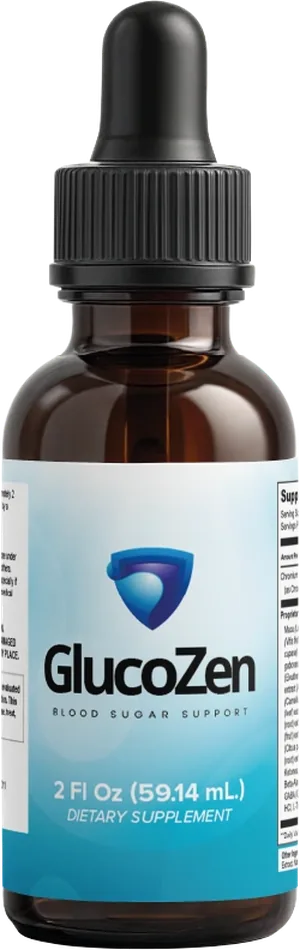
Reading the label before you buy?The checkout shows each pack's total, and the refund window runs 60 days from the ship date.
See today's price and guaranteeWe earn money when you buy through our order links. Theglucozen is a retailer, not the maker.
Look 3
How much GlucoZen licorice is in a dose?
The label does not say. But the order of the list sets a ceiling. Blend ingredients run from heaviest to lightest (FDA, Labeling guide). So the ingredient in 18th place can weigh no more than 200 divided by 18 mg.
That works out to about 11 mg per 1 mL serving. At the label dose of 1 mL twice daily, it is about 22 mg a day. This is our math from the label order, not a lab test, and the real amount may be smaller.
Compare that with the whole blend. All 22 ingredients share 200 mg, which is about 9 mg each on average. So the licorice compound is a small share. But small is not the same as zero, and the sources give no safe floor for the people most at risk.
Look 4
Why would a blood sugar supplement contain licorice?
The brand does not explain it. The nature of the ingredient points to taste. Glycyrrhizin is intensely sweet. It sits beside stevia and xylitol, which also sweeten the drops without sugar.
No source we use ties this compound to a blood sugar benefit. The ADA does not recommend herb, spice or chromium supplements for blood sugar at all (ADA, Standards of Care 2026). So we read the licorice compound as a flavor choice that adds a safety question. A plain sweetener would not.
Look 5
Who should be careful with GlucoZen licorice?
NCCIH says glycyrrhizin can cause an irregular heartbeat, and that even small amounts have been linked to severe effects in people with high blood pressure (NCCIH, Licorice). Four groups should ask a clinician before they try the drops.
- High blood pressure. Even small amounts have been linked to severe effects in this group.
- Heart conditions. Smaller amounts may affect people with heart problems.
- Kidney conditions. The same smaller-amount warning applies.
- A salty diet. High salt intake also raises the chance of trouble from smaller amounts.
Pregnancy is ruled out by the label already, and NCCIH lists large amounts of licorice as unsafe in pregnancy. A racing or irregular heartbeat, or fainting, needs prompt medical attention. Stop the drops and tell the clinician what you take.
Look 6
Does other licorice add up?
It can. Real licorice candy and other supplements can add more glycyrrhizin. The drops do not stand alone in your day.
So take a quick inventory. Look at labels for licorice, glycyrrhizin or glycyrrhizinate. If you use more than one product that has it, tell your clinician. The label gives no limit for combined use, so that point is not published.
Look 7
Does long use matter for licorice?
Yes, it can. NCCIH says serious effects are more likely with large amounts or long-term use (NCCIH, Licorice). The sales site sells packs of up to six bottles, which is 180 days at the label dose. That makes time a real factor.
If you use the drops for months, check your blood pressure now and then, if you already measure it. Tell your clinician the label lists this compound. Our post on GlucoZen long term use covers the wider picture.
Look 8
What can you say to your clinician about GlucoZen licorice?
A short script saves time. You can read it out or hand over a note.
"My supplement lists monoammonium glycyrrhizinate, a licorice salt, in 18th place of 22 in a 200 mg blend. By label order it is at most about 11 mg per serving, and I take two servings a day. It also lists guarana and green tea, which carry caffeine. Can we review my blood pressure and my medicines?"
That is all it takes. Your clinician can then decide whether the drops fit, and what to check. If you have heart, kidney or blood pressure problems, ask the question before you take the first serving, not after.
Summary
What are the key facts on one page?
| Detail | What we can say | Source |
|---|---|---|
| Label name | Monoammonium Glycyrrhizinate | Bottle label |
| Position in the blend | 18 of 22 | Bottle label |
| Amount per serving | Not printed; at most about 11 mg by list order | Our math from the label |
| Amount per day | Not printed; at most about 22 mg at 2 mL a day | Our math from the label |
| Likely role | Sweetness and flavor | Our reading |
| Main caution | High blood pressure, heart or kidney problems, salty diet | NCCIH |
FAQ
Frequently asked questions
Does GlucoZen contain licorice?
Yes, in compound form. The blend lists Monoammonium Glycyrrhizinate, a salt of glycyrrhizin from licorice root, in 18th place. The word licorice is not printed.
How much licorice is in GlucoZen?
The label does not say. By its place in the blend it can be at most about 11 mg per serving, or about 22 mg across two servings. That is a ceiling, not a measured amount.
Can glycyrrhizin raise blood pressure?
NCCIH links it to high blood pressure and heart rhythm problems, and says even small amounts have been tied to severe effects in people with high blood pressure.
Is GlucoZen safe with heart disease?
Ask your cardiologist or main clinician first. The licorice compound can affect heart rhythm, and guarana and green tea add caffeine. Bring the label to the visit.
Why is licorice in a blood sugar product?
The brand does not say. It is most likely there as a sweetener, beside stevia and xylitol. No source we use links it to blood sugar benefit.
Does the label warn about licorice?
Not by name. It has only the general line to consult a physician, especially if you take a medication or have a medical condition.
The close
Our view
The licorice in these drops is a good example of why you read the ingredient list and not just the front of the bottle. The word is not there. The compound is.
By label order the amount is small, and we think it is there for taste. But the sources we trust say small amounts have caused trouble in people with blood pressure, heart or kidney problems. That is enough reason to ask first.
If you do not have those problems, the usual rules still hold. Keep to 1 mL twice daily, count other licorice products, and stop if your heartbeat feels uneven.
Ask first if your pressure runs highBring the label to your clinician. The refund window runs 60 days from the ship date.
See today's price and guaranteeWe earn money when you buy through our order links. Theglucozen is a retailer, not the maker.