Blog
A1C and Fasting Glucose Numbers Explained, Range by Range
For adults who are not pregnant, an A1C under 5.7% and a fasting glucose of 99 mg/dL or lower are normal. An A1C of 5.7% to 6.4% or fasting glucose of 100 to 125 means prediabetes. An A1C of 6.5% or more, or fasting glucose of 126 or more, is the diabetes range, usually confirmed with a second test.
Written by the GlucoZen editorial teamUpdated · 8 min read

Two common tests
What is the difference between A1C and fasting glucose?
A1C and fasting glucose are the two blood tests most often used to check for prediabetes and diabetes. They measure blood sugar in different ways, so their numbers use different units.
A1C is reported as a percentage. It reflects your average blood sugar over the past few months, so one big meal will not move it much.
Fasting glucose is reported in milligrams per deciliter, written mg/dL. It is a snapshot of your blood sugar after an overnight fast, usually drawn in the morning.
One test shows the long view, the other shows a single moment. Your clinician may order either one, or both, and compare them over time.
Check a result
Which range does your lab number fall in?
Type an A1C or a fasting glucose value from a lab report. It stays on your screen.
The checker uses the NIDDK cutoffs for adults who are not pregnant (NIDDK, Diabetes tests). It shows a range, not a diagnosis. Bring the result and the full report to your clinician.
The cutoffs
What are normal, prediabetes and diabetes numbers?
| Range | A1C | Fasting glucose | What usually happens next |
|---|---|---|---|
| Normal | Under 5.7% | 99 mg/dL or lower | Routine checks as your clinician advises |
| Prediabetes | 5.7% to 6.4% | 100 to 125 mg/dL | A talk about lifestyle steps and a recheck date |
| Diabetes range | 6.5% or higher | 126 mg/dL or higher | Usually a second test to confirm |
Notice where the edges sit. An A1C of 5.6% is normal, and 5.7% is prediabetes. A fasting glucose of 125 is prediabetes, and 126 is the diabetes range. A result near a cutoff deserves a closer look, which is one reason clinicians look at trends.
Confirming
Why does a diabetes-range result need a second test?
Doctors usually confirm a diabetes-range result with a second test before they make a diagnosis (NIDDK, Diabetes tests). Confirming first keeps anyone from acting on a single result.
The repeat may be the same test on another day, or a different test. If both land in the diabetes range, the picture is clear. If they disagree, your clinician will explain what comes next.
- Ask which test was done and when.
- Ask whether you were meant to fast, and for how long.
- Ask when the repeat test should happen.
- Keep copies so you can compare results over the years.
The big picture
How many Americans have prediabetes or diabetes?
These CDC figures show why routine testing matters (CDC, Diabetes statistics). More than one in four adults with diabetes did not know they had it.
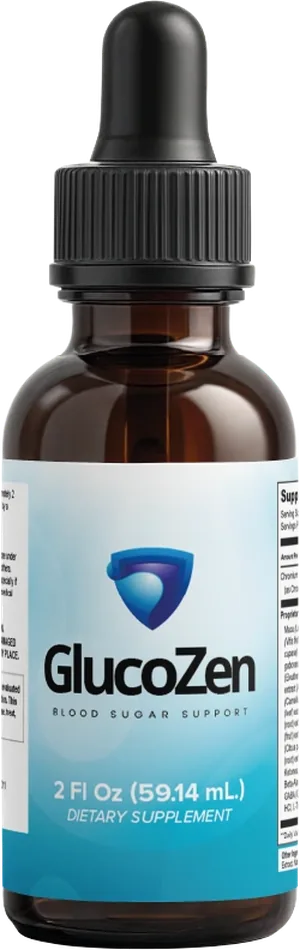
Try GlucoZen, 1 mL twice daily2, 3 or 6 bottles · ClickBank checkout · 60-day refund window
Order nowIf you are in the middle range
What should you do if your numbers show prediabetes?
Start with the steps that have the best evidence. In the Diabetes Prevention Program, a lifestyle program aiming for 7% weight loss and 150 minutes of weekly activity lowered the chance of type 2 diabetes by 58% over about 3 years (NIDDK, DPP).
CDC runs a yearlong National Diabetes Prevention Program built on those habits, and says it cuts type 2 risk in half (CDC, National DPP). Ask your clinician whether one is right for you.
The full plan, from numbers to programs, is in the prediabetes guide.
Meter readings
How do home glucose readings relate to lab numbers?
A home meter or sensor measures glucose in mg/dL at one moment, like a fasting lab test. It does not give an A1C. Daily readings help you and your care team see patterns between lab visits.
For many people with diabetes, a reading below 70 mg/dL is low. With shakiness, hunger, dizziness or confusion, treat it right away (NIDDK, Hypoglycemia). If a reading runs very high and you feel extreme thirst or confusion, get medical care promptly.
Supplements and lab results
Can a supplement like GlucoZen change your A1C or fasting glucose?
No study shows that GlucoZen changes either number. The ADA says supplements are not proven to lower blood glucose, and some may even raise it (ADA, Vitamins and supplements).
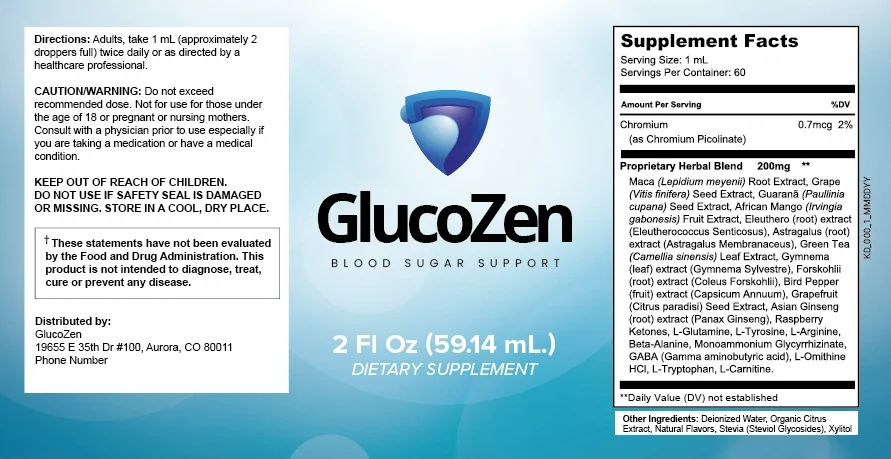
Its 2026 Standards of Care go a step further and advise against chromium, herb and spice supplements for glucose benefit (ADA, Standards of Care 2026). GlucoZen's label lists 0.7 mcg of chromium and a 200 mg blend per 1 mL. What that chromium dose means is covered in chromium for blood sugar: what the doses mean.
If you take any supplement, tell the clinician who orders your labs. That keeps your results easy to read. For a realistic view of timing, see the results timeline.
At your next visit
What questions should you ask about your A1C and glucose results?
Where am I now?
Which range is each number in, and how close is it to a cutoff?
Which way is it moving?
How does this result compare with the last one?
What is my next step?
Is a repeat test, a program or a medicine worth discussing?
FAQ
A1C and fasting glucose FAQ
Is an A1C of 5.7 prediabetes?
Yes. For adults who are not pregnant, NIDDK puts an A1C of 5.7% to 6.4% in the prediabetes range. A result of 5.6% or lower is normal. Your clinician may repeat the test or check fasting glucose, and will talk with you about steps that lower your risk.
What is a normal fasting blood sugar level?
A fasting plasma glucose of 99 mg/dL or lower is normal for adults who are not pregnant, according to NIDDK. A result of 100 to 125 mg/dL falls in the prediabetes range, and 126 mg/dL or higher is in the diabetes range, usually confirmed with a second test.
Is a fasting glucose of 126 diabetes?
It is in the diabetes range, but one result is not a diagnosis by itself. Doctors usually confirm with a second test, either the same test on another day or a different one. If the repeat result is also high, your clinician can confirm the diagnosis.
Which is more accurate, A1C or fasting glucose?
Both are standard tests with their own cutoffs, and neither replaces your clinician's judgment. A1C reflects the past few months, while fasting glucose is a single morning snapshot. Many clinicians use both and look at the trend across several results before deciding what they mean.
What does an A1C of 6.5 mean?
An A1C of 6.5% is the starting point of the diabetes range for adults who are not pregnant, per NIDDK. It is not a diagnosis on its own. Doctors usually confirm it with a second test, and your clinician will talk with you about what the results mean and what comes next.
Will a supplement lower my A1C before my next lab test?
No supplement is proven to do that. The ADA says supplements are not proven to lower blood glucose, and its standards do not recommend herb, spice or chromium products for that purpose. GlucoZen has no published trial. Tell the clinician who orders your labs about anything you take.
How many Americans have undiagnosed diabetes?
CDC estimates 11.0 million U.S. adults had undiagnosed diabetes in 2023. That is 27.6% of adults with diabetes. In total, 40.1 million people had diabetes, and 115.2 million adults had prediabetes, which is why routine A1C or fasting glucose tests are useful.
Who wrote this
Written and reviewed by
Plain-language pages built from the label, the sales site and linked public health sources.
Last updated . Read our editorial standards and how we check reviews. This website is run by Theglucozen, a USA authorized GlucoZen retailer, not by the manufacturer. We earn money when you buy through our order links.
Keep reading
More about GlucoZen

Prediabetes guide
What prediabetes numbers mean, what the big prevention trial found, and the steps with the strongest evidence.
Read moreResults timeline
No promised results: what to track from day one, when lab tests fit in, and when the refund window closes.
Read moreChromium doses explained
Micrograms, percent Daily Value and per-day math: how to read a chromium dose, with GlucoZen's label as the example.
Read moreUSA authorized GlucoZen retailer
Ready to try GlucoZen?
Pick a pack at checkout. 1 mL twice daily, 30 days per bottle. Refunds: 60 days from the ship date.
- ClickBank checkout
- 60 days from shipping
- Refunds: [email protected]