Evidence checklist
Do Blood Sugar Supplements Work? 5 Evidence Checks Before You Choose
Blood sugar support supplements have not been shown to lower blood glucose. The ADA's 2026 Standards do not recommend chromium, herb or spice supplements for blood sugar benefit, and no supplement was tested in the large trial that cut diabetes risk. Use five evidence checks before you choose.
Written by the GlucoZen editorial teamMedically reviewed by Dr. Rocio Harbison, MD, PhysicianReview date: Updated · 7 min read
Define it
What is a blood sugar support supplement?
It is a product sold in a bottle, with a theme on the front and a list on the back.
"Blood sugar support" is a marketing phrase. Pills, capsules, gummies, powders and liquids all use it. In the United States, a supplement may describe support for a body function. It may not say it treats, cures or prevents a disease. A product that does is classed as a drug (FDA, Dietary supplements Q&A).
FDA does not approve supplements before they are sold, so "blood sugar support" has not been checked by the agency. Makers and distributors are responsible for safety and labeling. That is why the label and the evidence matter more than the headline.
At a glance
Key facts
- The ADA states that no supplement has been proven to lower blood glucose. Its 2026 Standards of Care do not recommend micronutrient, herb or spice supplements, such as chromium, for blood sugar benefit.
- A structured lifestyle program cut the chance of type 2 diabetes by 58% over about 3 years in a large trial. Metformin cut it by 31%. No supplement was tested.
- A 2019 review of 58 trials found chromium gave slight drops in fasting glucose and A1C, of unclear meaning.
- Some illegal diabetes products were found by FDA to hide prescription drugs.
- A supplement may add to diabetes medicine and cause lows. Ask your clinician first.
- GlucoZen is one such product. It has no published trial and is not FDA approved.
The five checks
What are the 5 evidence checks for any blood sugar supplement?
What do the guidelines say?
The ADA's 2026 Standards of Care say micronutrient supplements, such as chromium or magnesium, and herb or spice supplements are not recommended for blood sugar benefit (ADA, Standards of Care 2026). That is the starting point.
Was this exact product tested?
Look for a trial of the product, in people, with a comparison group. A trial of one ingredient is not a trial of a blend.
Does the dose match?
Studies use their own doses. A label with a hidden blend cannot be matched to any study.
Are the claims allowed?
A supplement may not say it treats a disease. FTC guidance says health claims generally need randomized human trials that match the product (FTC, Health Products Compliance Guidance).
Is it safe beside your medicine?
The ADA warns that a supplement can boost the effect of a diabetes medicine and cause lows (ADA, Vitamins and supplements).
Want a worked example?GlucoZen's checkout lists the price and the 60-day refund terms, which helps you test the checks on a real label.
See today's price and guaranteeWe earn money when you buy through our order links. Theglucozen is a retailer, not the maker.
The big question
Do blood sugar supplements work?
Not in a way that has been proven. Some single ingredients show small signals in small trials. NCCIH says some evidence suggests berberine may have a modest effect on blood glucose in type 2 diabetes, but rigorous evidence is thin (NCCIH, Berberine). Chromium trials gave slight changes of unclear meaning (NIH ODS, Chromium). Gymnema trials showed mild drops in fasting glucose, but it has not been shown to treat diabetes (LiverTox, Gymnema). Asian ginseng research is inconclusive and conflicting (NCCIH, Asian ginseng).
A signal is not a result. Those trials used their own doses, and many were small. A bottle that holds a little of each is a different thing again.
| Rung | What it looks like | Examples |
|---|---|---|
| Large trials and guidelines | Many people, followed for years | Lifestyle program: 58% lower risk. Metformin: 31% lower risk |
| Several trials | Repeated results | None listed for supplements |
| Small human trials | Few people, mixed results | Chromium, gymnema, ginseng |
| Lab and animal studies | Ideas, not proof | Often cited in marketing |
| No trials found | Nothing published | Blends sold as a finished product |
Who it is for
Who needs blood sugar support, and what should you do first?
Start with your numbers. For adults who are not pregnant, an A1C under 5.7% is normal, 5.7% to 6.4% is prediabetes and 6.5% or higher is in the diabetes range. Fasting glucose of 99 mg/dL or lower is normal, 100 to 125 is prediabetes and 126 or higher is in the diabetes range (NIDDK, Diabetes tests). One reading is not a diagnosis. Your clinician confirms with repeat tests.
CDC estimates 115.2 million U.S. adults have prediabetes, and that 40.1 million people had diabetes in 2023, with 11.0 million of them undiagnosed (CDC, Diabetes statistics). Many people have no symptoms, so a routine blood test is often the first clue.
For prediabetes, the best-tested step is a lifestyle program. CDC's yearlong National Diabetes Prevention Program says it cuts type 2 risk in half (CDC, National DPP). A supplement can sit alongside it only if your clinician agrees.
Spot the traps
How do you tell a fair blood sugar supplement from a scam?
A scam promises a cure, hides its seller or sneaks in a drug. FDA says diabetes remedies sold online can delay proper treatment, and some hide glyburide, metformin or phenformin (FDA, Illegal diabetes products).
Signs of a fair product
- A full label with a Supplement Facts panel
- A named seller and a written refund policy
- No cure or treatment claims
- An FDA statement and a physician caution on the label
Warning signs
- Promises to cure, reverse or replace a medicine
- Reviews with no order behind them
- A label that does not match the marketing
- No way to reach a real person
More on this is in our guide to FDA warnings on illegal diabetes products.
A worked example
Where does GlucoZen fit on these checks?
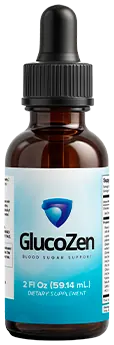
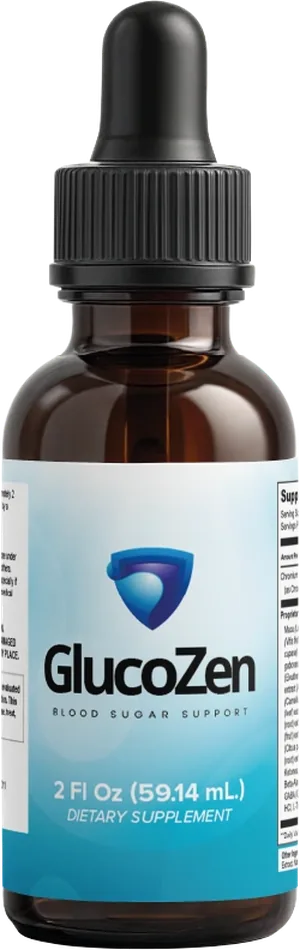
GlucoZen is a liquid labeled Blood Sugar Support. Each 1 mL on the label has chromium at 0.7 mcg and a 200 mg blend of 22 ingredients, taken twice daily. It is not FDA approved, like every supplement.
On the five checks: the guidelines do not recommend this type of product, the product itself has no published trial, the blend hides each amount, the label makes only a support claim, and some ingredients carry medicine cautions. It does have a printed label, a written 60-day refund policy and a checkout run by an established retailer.
That is a mixed result, and an honest one. See our 7-point fact check for the full scoreboard.
FAQ
Frequently asked questions
Do blood sugar supplements work?
Not in a way that has been proven. The ADA says supplements are not proven to lower blood glucose, and its 2026 Standards do not recommend chromium, herb or spice supplements for blood sugar benefit.
What does blood sugar support mean?
It is a marketing phrase for a supplement theme. It is a support claim about a body function, not a promise to treat or cure a disease. FDA has not evaluated it.
Who needs blood sugar support?
That is a question for your clinician. Know your A1C or fasting glucose first. For prediabetes, a structured lifestyle program has the strongest evidence in our sources.
Can a supplement lower blood sugar?
Some single ingredients show small signals in small trials, but no supplement has been proven to lower blood glucose. Some can also intensify diabetes medicines and cause lows.
Are blood sugar support vitamins useful?
The ADA says micronutrient supplements, such as chromium or magnesium, are not recommended for blood sugar benefit in people without a deficiency. Ask your clinician before taking any.
Is it safe to take a blood sugar supplement with diabetes medicine?
Only after you ask your clinician. The ADA says certain ingredients can push a diabetes medicine too far and cause lows. Never stop or swap a prescribed medicine for a supplement.
The close
Our view
Our view is plain. Blood sugar supplements have not earned the trust their labels ask for. The strongest evidence in our sources belongs to food, activity, weight and prescribed care, not to a bottle.
That does not make every supplement useless for every person, and it does not make every seller a scammer. It means you should treat a supplement as an extra. Check the five items, read the label, ask your clinician and keep your numbers on a log.
If you do try one, pick a product you can read, a seller you can name and a refund window you will respect.
Test the checks on a real labelGlucoZen's checkout shows the pack price and the refund terms, so you can run the five checks before you pay.
See today's price and guaranteeWe earn money when you buy through our order links. Theglucozen is a retailer, not the maker.
Last updated October 29, 2026. Written by the GlucoZen editorial team and medically reviewed by Dr. Rocio Harbison, MD, Physician on October 16, 2026. General information only, not medical advice.